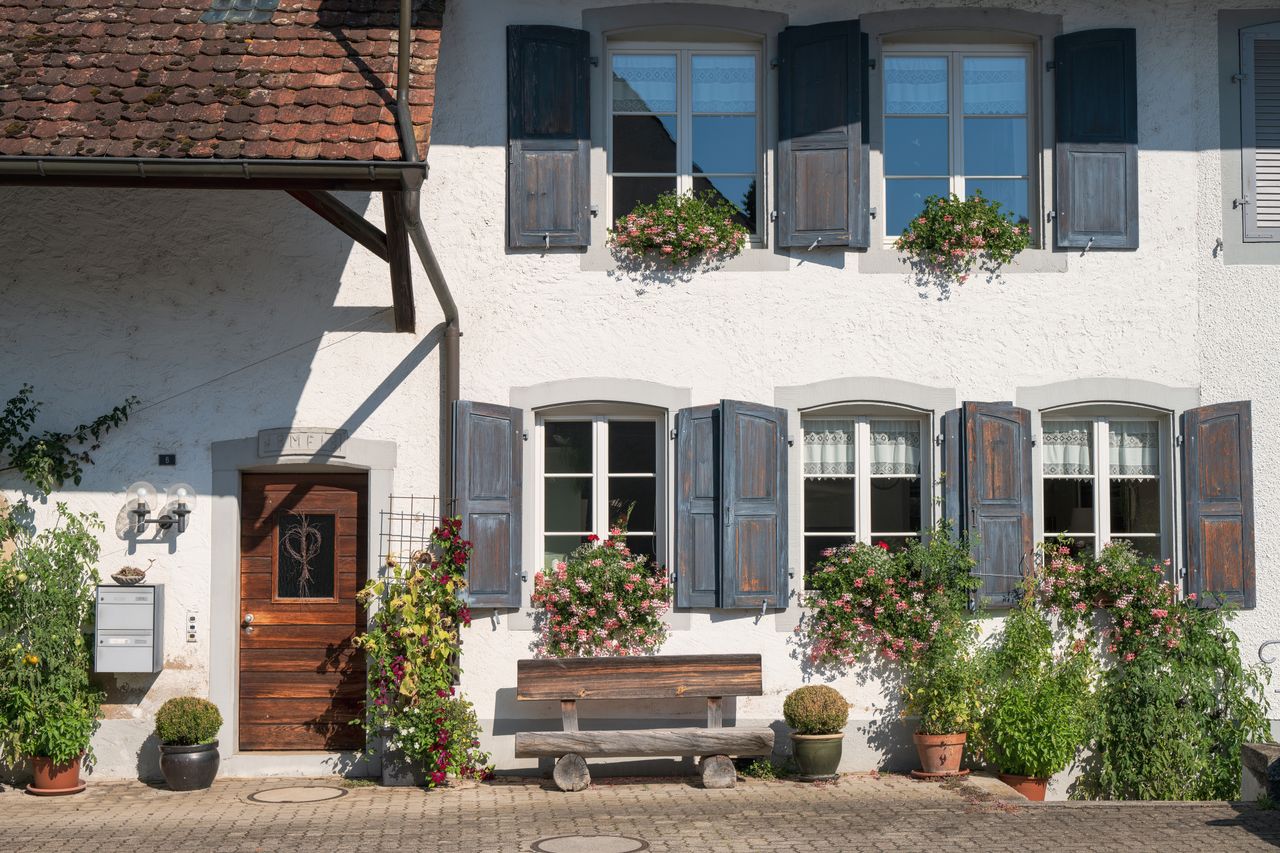
Key Takeaways
- Prioritize exterior projects that improve curb appeal, protect the home’s structure, and provide practical long-term benefits.
- Refresh the front entrance, paint, lighting, and decorative details to create a welcoming appearance without major renovations.
- Improve landscaping with locally suitable plants, well-maintained pathways, and simple planting arrangements.
- Address essential repairs, including damaged siding, deteriorating trim, blocked gutters, and drainage problems, before cosmetic upgrades.
- Set a realistic budget, compare contractor estimates, reuse suitable materials, and complete projects in manageable stages.
- Handle straightforward tasks yourself when safe, but hire qualified professionals for roofing, electrical work, structural repairs, and complex drainage issues.
- Establish a regular inspection and cleaning routine to preserve improvements, identify problems early, and reduce future repair costs.
Improving a home’s exterior can make the property more attractive, functional, and easier to maintain without requiring a complete renovation. Small changes to landscaping, paint, entryways, outdoor lighting, and visible architectural details can create a noticeable difference in how a home looks and feels. Homeowners do not always need expensive materials or major construction projects to achieve meaningful improvements. The key is to identify areas where modest investments can deliver practical benefits and improve the property’s overall presentation. By prioritizing visible problems, choosing durable materials, and planning projects carefully, homeowners can refresh their property’s exterior while keeping spending under control.
Why Should You Invest in Exterior Home Improvements?
A home’s exterior influences its first impression, but its importance extends beyond appearance. Well-maintained outdoor spaces, functional entryways, and properly maintained exterior materials can help protect the property from weather-related deterioration. Even relatively small improvements can make a home feel more welcoming and organized. Before choosing a project, homeowners should consider the property’s current condition, the local climate, and the features that matter most to potential buyers. Understanding these priorities helps prevent unnecessary spending and makes it easier to distinguish cosmetic upgrades from repairs that protect the home’s structure.
Several benefits make exterior improvements worth considering:
- Improved curb appeal: A clean, attractive exterior creates a more welcoming appearance for residents and visitors.
- Better protection: Addressing damaged paint, loose trim, and drainage problems can help prevent more extensive deterioration.
- Greater outdoor usability: Comfortable entrances, clear walkways, and organized outdoor areas make everyday activities easier.
- Potential resale appeal: A property that appears cared for may attract more interest from prospective buyers.
- Reduced maintenance concerns: Durable materials and timely repairs can help limit recurring upkeep.
Although exterior improvements may support a property’s market appeal, no project guarantees a particular increase in resale value. The most practical approach is to focus on improvements that address visible problems, protect existing materials, and suit the neighborhood.
Which Exterior Projects Offer the Best Value for Your Money?
Not every improvement requires the same investment, and the most expensive project is not necessarily the most beneficial. Homeowners should first identify the exterior features that are outdated, damaged, or noticeably neglected. A fresh coat of paint may create a greater visual difference than an expensive decorative addition, while repairing a leaking gutter may be more important than installing new landscaping. The goal is to direct money toward improvements that solve real problems and produce visible results. Comparing project costs, expected durability, and maintenance requirements can help homeowners decide where their budget will make the greatest difference.
Consider these practical options before committing to a large renovation:
- Refresh the front entrance: Clean the door, update its hardware, and improve the surrounding area.
- Improve landscaping: Trim overgrown plants, remove weeds, and add affordable seasonal flowers.
- Repair exterior paint: Address peeling, fading, or damaged areas before deterioration spreads.
- Upgrade outdoor lighting: Replace broken fixtures or add suitable lighting near entrances and pathways.
- Maintain gutters and downspouts: Remove debris and correct drainage problems that may affect the foundation or walls.
- Restore walkways: Repair minor cracks and remove stains to create safer, more attractive access routes.
These projects can often be completed individually, allowing homeowners to spread expenses across several months. Prioritizing the most noticeable or urgent problems first helps prevent the budget from being consumed by cosmetic changes while essential repairs remain unfinished.
How Can You Improve Curb Appeal Without Major Renovations?
Curb appeal depends on how well the home’s exterior elements work together. A property can look neglected even when its major features are in good condition if the lawn is overgrown, the entrance is cluttered, or the driveway is stained. Fortunately, many of these problems can be addressed through cleaning, basic landscaping, and selective updates rather than structural changes. Homeowners should evaluate the property from the street and note which areas attract attention first. A simple, coordinated appearance is usually more effective than adding numerous decorative features that compete with one another.
Start with these affordable improvements:
- Clean exterior surfaces: Remove dirt and cobwebs from suitable surfaces, paying attention to porches, doors, and trim. Use cleaning methods appropriate for the material to avoid damaging paint, siding, or masonry.
- Refresh the front door: A carefully chosen paint color can make the entrance stand out. Repair damaged areas and use exterior-rated products designed for the door’s material.
- Organize the porch: Remove unnecessary objects, arrange outdoor furniture neatly, and use a small number of coordinated accessories.
- Define pathways: Trim plants that obstruct walkways and keep the route to the entrance clear.
- Maintain the lawn: Mow regularly, remove weeds, and repair visibly bare areas where practical.
Consistency matters more than quantity. Choose colors and finishes that complement the roof, siding, windows, and surrounding landscape. Before making changes, check whether the neighborhood or homeowners’ association has restrictions on exterior colors, fences, or visible fixtures.
Can Landscaping Make a Noticeable Difference on a Small Budget?
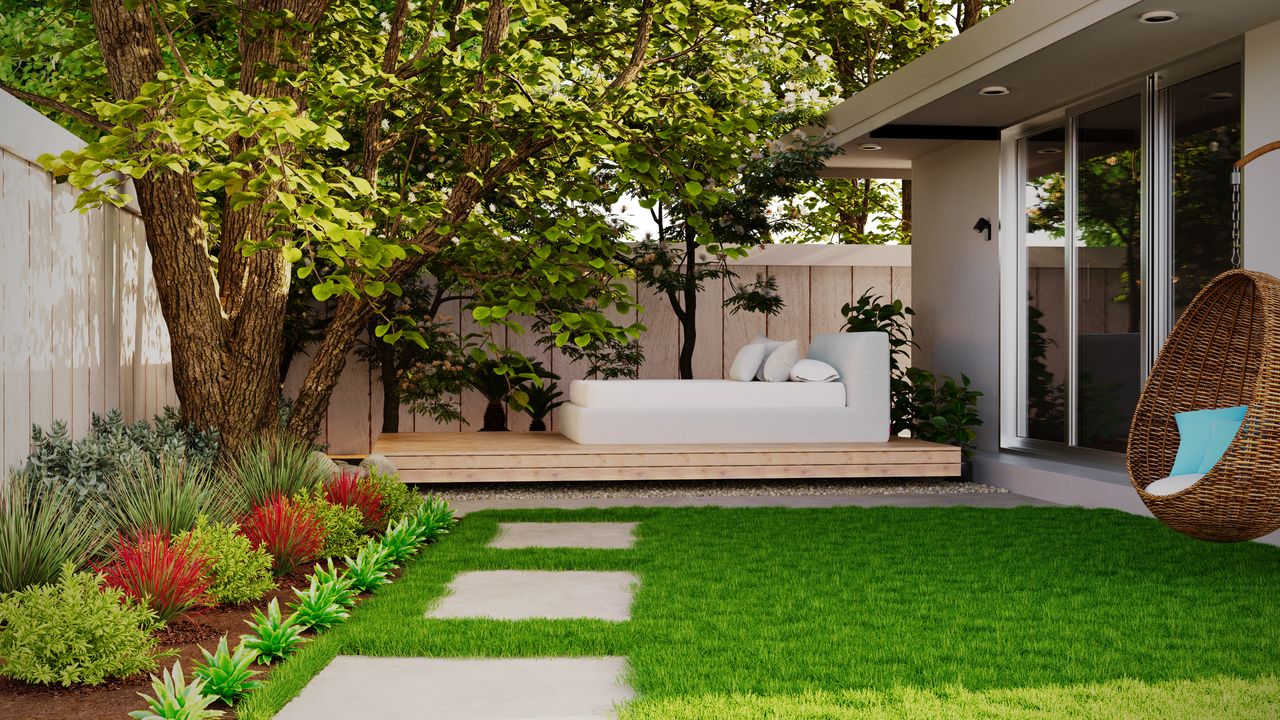
Landscaping can transform the appearance of a property, but an attractive outdoor space does not require an elaborate garden or a large collection of expensive plants. Thoughtful placement, regular maintenance, and suitable plant selection can create a balanced appearance at a manageable cost. Homeowners should consider the amount of sunlight, soil conditions, rainfall, and available space before purchasing plants. Choosing varieties that thrive locally can reduce replacement costs and ongoing care. A simple landscape plan also makes it easier to maintain clear pathways, protect the home’s exterior, and prevent vegetation from interfering with windows, gutters, or building foundations.
Affordable landscaping ideas include:
- Use native or locally adapted plants: These varieties are often better suited to local weather and soil conditions, although their watering requirements still need consideration.
- Create small planting beds: A few well-positioned beds can define the entrance or highlight architectural features without covering the entire yard.
- Apply mulch where appropriate: Mulch can help conserve soil moisture and give planting areas a tidy appearance.
- Divide suitable existing plants: Some established perennials can be divided and replanted, reducing the need to purchase additional plants.
- Prune carefully: Removing dead or overgrown branches improves appearance and can reduce interference with buildings and walkways.
Avoid planting large trees too close to foundations, underground utilities, or drainage systems. Consider mature plant size before selecting a location. Landscaping should enhance the property without creating new maintenance problems or obstructing essential access points.
What Exterior Repairs Should You Prioritize Before Cosmetic Updates?
A home’s exterior serves as a protective barrier against rain, wind, sunlight, and temperature changes. Cosmetic improvements may make a property look better temporarily, but they cannot compensate for deteriorating materials or unresolved water intrusion. Homeowners should inspect visible areas before spending money on decorative upgrades. Peeling paint, damaged siding, loose roof components, overflowing gutters, and water collecting near the foundation may indicate problems that require attention. Addressing these concerns early can reduce the risk of more expensive repairs later. When damage involves structural components, roofing, electrical systems, or work beyond basic maintenance, a qualified professional can help assess the situation.
Use this checklist to guide an initial inspection:
- Inspect siding and exterior walls: Look for loose panels, cracks, soft areas, or gaps that could allow moisture to enter.
- Check gutters and downspouts: Ensure they are securely attached, free of significant blockages, and directing water away from the home.
- Examine visible roof areas: Look for missing or damaged shingles from a safe viewing position. Avoid climbing onto the roof without appropriate training and equipment.
- Review window and door seals: Damaged caulking or weatherstripping may allow drafts and moisture infiltration.
- Look for drainage concerns: Standing water, soil erosion, or persistent dampness near the foundation should be investigated.
- Repair damaged trim: Deteriorating wood or loose exterior components should be addressed before the damage spreads.
Essential repairs should generally come before decorative projects. Keeping up with exterior home maintenance can help homeowners identify developing problems, protect existing materials, and make future improvement budgets more predictable.
How Can Paint, Lighting, and Small Details Refresh Your Home?

Small design details can influence the overall appearance of a property without requiring extensive construction. Exterior paint, lighting fixtures, house numbers, door hardware, and trim all contribute to how coordinated the home looks. However, replacing every feature at once can quickly increase costs. Homeowners should identify the details that appear most worn or outdated and update those first. Choosing finishes that complement the home’s existing architecture can produce a cohesive result. Practical considerations also matter: exterior products should withstand local weather, and lighting should improve visibility without creating excessive glare or disturbing nearby properties.
Consider these manageable updates:
- Repaint selected areas: If the main exterior paint remains in good condition, refreshing the front door, shutters, or trim may be sufficient.
- Replace worn house numbers: Clear, attractive numbers make the entrance easier to identify and can improve the overall presentation.
- Update door hardware: A new handle or lockset can refresh the entrance while improving functionality.
- Improve pathway lighting: Suitable outdoor fixtures can make steps and walkways easier to navigate after dark.
- Refresh mailbox and porch details: Repairing or repainting these features can make the entrance look more consistent.
Choose weather-resistant finishes and fixtures rated for outdoor use. Before purchasing new items, clean existing fixtures and assess whether they can be repaired. Keeping useful features instead of replacing them unnecessarily is one of the simplest ways to control renovation costs.
How Can You Plan Exterior Projects Without Overspending?
A realistic budget helps homeowners complete improvements without sacrificing essential repairs or taking on unnecessary debt. Costs can rise when projects begin without a clear scope, when materials are purchased before measurements are taken, or when unexpected damage is discovered. A practical plan should identify the desired outcome, estimate material and labor expenses, and account for a contingency. Homeowners can also compare the cost of completing a project independently with hiring a professional. The right choice depends on the work involved, the tools required, the time available, and the risks associated with mistakes.
Comparing material costs, prioritizing essential repairs, and reusing suitable existing features can make budget home improvements more manageable while helping homeowners achieve practical, attractive results.
Follow these steps to keep spending under control:
- List the required improvements. Separate urgent repairs from cosmetic changes and optional additions.
- Set a spending limit. Decide how much can be allocated without affecting essential household expenses.
- Obtain multiple estimates. For professional work, compare written scopes, materials, warranties, and timelines rather than choosing solely by price.
- Measure before buying. Accurate measurements reduce waste and help prevent repeated trips to purchase additional supplies.
- Reuse suitable materials. Existing planters, outdoor furniture, and hardware may be cleaned, repaired, or repainted instead of replaced.
- Keep a contingency reserve. Set aside funds for unexpected issues discovered during the project.
- Complete work in stages. Finish one priority area before moving to the next so spending remains manageable.
Avoid selecting materials based only on their initial price. A cheaper product may require more frequent replacement or additional upkeep. Compare durability, installation requirements, weather suitability, and long-term maintenance before making a purchase.
Should You Do the Work Yourself or Hire a Professional?
Doing some work independently can reduce labor expenses, but not every exterior project is suitable for a do-it-yourself approach. Simple tasks such as weeding, painting appropriate low-level surfaces, cleaning accessible outdoor areas, or assembling planters may be manageable for homeowners with the right equipment. More complex work can involve safety risks, building requirements, or specialized skills. Incorrect installation may also lead to water intrusion, damaged materials, or costly repairs. Homeowners should assess their experience honestly and consider whether professional help could prevent mistakes that outweigh the initial savings.
DIY projects may be suitable when the work is straightforward, the necessary tools are available, and the risks are low. Professional assistance is generally advisable for:
- Roofing repairs: Working at height can be dangerous, and improper repairs may allow water into the structure.
- Electrical installations: Outdoor wiring and lighting connections should comply with applicable electrical requirements.
- Structural repairs: Significant cracks, movement, or deterioration may require qualified assessment.
- Complex drainage work: Persistent water problems may involve grading, underground pipes, or foundation concerns.
- Large tree work: Removing substantial branches or trees near buildings and utility lines requires appropriate expertise.
Before hiring a contractor, verify relevant licensing and insurance where applicable. Request a written estimate and clarify the materials, work scope, payment schedule, and warranty arrangements. Confirm whether permits or approvals are required. Spending carefully means choosing the appropriate level of expertise, not automatically choosing the cheapest option.
How Can You Keep Exterior Improvements Looking Good Longer?
An exterior upgrade provides better long-term value when it remains functional and attractive after installation. Without regular care, fresh paint can deteriorate, gutters can become blocked, plants can grow out of control, and outdoor fixtures can develop damage. A simple maintenance routine helps homeowners spot these changes before they become larger problems. It also protects the money already invested in improvements. Rather than waiting until the property looks neglected again, schedule brief inspections throughout the year and adjust the routine to local weather conditions. Homes exposed to heavy rain, extreme heat, coastal air, or seasonal storms may require more frequent attention.
A practical routine can include the following tasks:
- Seasonal cleaning: Remove accumulated dirt, leaves, and debris from suitable exterior surfaces and accessible outdoor areas.
- Periodic gutter checks: Inspect gutters after heavy leaf fall and significant storms, using safe methods or professional assistance when needed.
- Plant care: Prune vegetation, remove weeds, and ensure plants are not obstructing drainage or damaging exterior materials.
- Paint and sealant inspections: Look for peeling paint, cracked caulking, or gaps around openings.
- Lighting checks: Replace failed bulbs and inspect fixtures for visible damage or moisture problems.
- Drainage monitoring: Watch for new areas of standing water, erosion, or water collecting close to the house.
Keep records of completed projects, material details, warranties, and repair dates. These records make future upkeep easier to plan and may help when discussing the property’s condition with prospective buyers. Consistent attention can preserve improvements without requiring another major renovation.
Conclusion
Exterior improvements do not have to involve expensive renovations to make a home more attractive, functional, and easier to maintain. Cleaning neglected surfaces, refreshing the entrance, improving landscaping, updating lighting, and repairing damaged materials can produce meaningful results when projects are selected carefully. Homeowners should begin by addressing urgent maintenance concerns, then direct their remaining budget toward visible improvements that suit the property and local conditions.
A clear spending plan, durable materials, and realistic decisions about professional assistance can help prevent unnecessary expenses. Completing projects in stages also makes it easier to balance immediate needs with longer-term goals. Ultimately, the most effective improvements are those that protect the home, enhance its appearance, and remain practical to maintain over time.