
Before embarking on any home upgrade, it’s crucial to plan a budget to ensure that all aspects of the project are financially feasible and prioritize essential services. This guide will provide insights into various key areas of home renovation, particularly those that are often overlooked until they become urgent problems. Budget planning helps you to align your resources effectively, allowing you to focus on critical areas like roofing, plumbing, and structural improvements without overspending.
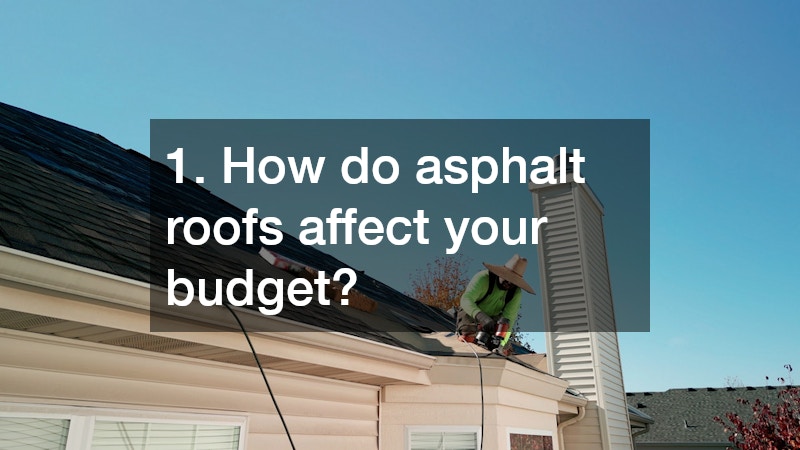
1. How do asphalt roofs affect your budget?
A. Cost of Asphalt Roofs
Asphalt shingle roofs are a popular choice for many homeowners due to their relatively low cost and ease of installation. When planning a budget, it’s important to consider the initial cost, which may vary based on the quality and style of shingles selected. Furthermore, installation costs and potential disposal fees for old roofing should also be accounted for to avoid financial surprises.
B. Longevity and Maintenance Considerations
The longevity of asphalt shingle roofs is a critical consideration that impacts budget planning. Regular maintenance such as inspections and minor repairs can prolong the life of the roof, thus saving costs in the long run. However, failure to maintain the roof may lead to costly repairs or premature replacement, so budgeting for ongoing maintenance is advisable.
C. Choosing the Right Materials for Your Roof
Choosing high-quality materials for asphalt shingle roofs can have a significant impact on your budget and the roof’s lifespan. While high-quality shingles may have a higher upfront cost, they often require less maintenance and offer better durability. Careful consideration of materials can result in a more effective allocation of your renovation budget.
2. Why hire roofing contractors for your project?
A. Local Expertise and Regulations
Local roofers offer extensive knowledge of area-specific building codes and regulations, which ensures your project complies with all local laws. This understanding helps prevent potential fines and reconstruction costs due to non-compliance. Additionally, local roofers are familiar with weather conditions, which enables them to recommend suitable materials and techniques.
B. Cost Benefits of Local Services
Hiring local roofers often brings substantial cost benefits compared to non-local choices. Local companies usually offer competitive pricing due to lower travel costs and reduced transportation of materials. Furthermore, trusting local services contributes to the regional economy and can build long-term relationships that offer future financial savings through loyalty discounts.
C. Reliability and Accessibility
Local roofers are typically more accessible, allowing for quicker response times when urgent service is needed. Their proximity facilitates prompt on-site assessments and timely completion of roofing projects. Moreover, local roofers tend to prioritize community reputation, which often translates into high reliability and quality work.
3. When should you plan for water heater service?

A. Signs Your Water Heater Needs Repair
Recognizing the signs of a failing water heater is key to avoiding costly repairs. Symptoms such as inconsistent water temperatures, discolored water, and unusual noises indicate a need for immediate attention. Early detection allows for less expensive repairs, preserving your budget against greater damage costs.
B. Budget-friendly Repair Options
There are several budget-friendly water heater repair options that can extend the unit’s lifespan. Simple fixes like replacing heating elements or thermostats can be cost-efficient if performed early. Hiring a professional rather than attempting DIY repairs can save money in the long run by preventing improper fixes and further damage.
C. Cost of Regular Maintenance
Incorporating regular maintenance into your budget can mitigate the need for extensive water heater repairs. Maintenance services such as tank flushing and inspecting valves help maintain efficiency and prevent sediment build-up. Allocating funds for routine inspections saves on energy costs and prolongs the life of the water heater.
4. What scenarios require an plumber?
A. Identifying Plumbing Emergencies
An emergency plumber should be called for situations involving significant water leaks, sewage backups, or lack of water supply. Recognizing these emergencies early is crucial to minimizing water damage and reducing repair costs. Preparedness in budgeting for emergency plumbing situations is essential for maintaining normal home operation without unnecessary financial strain.
B. Cost Implications of Emergency Services
Emergency plumber services typically incur higher fees than scheduled plumbing maintenance. The urgency and at-all-hours availability of emergency services drive these increased costs. Therefore, having a contingency fund within your budget to cover emergency expenses can alleviate the financial burden of unexpected plumbing failures.
C. Preventative Measures to Avoid Disasters
Employing preventive measures can keep emergency plumbing costs to a minimum and protect your budget. Regular maintenance and timely repairs prevent minor issues from escalating into costly emergencies. Educating yourself on how to shut off water supply and perform basic troubleshooting can also reduce the severity of plumbing problems.
5. What is the budget impact of asphalt driveway repairs?
A. Analyzing the Cost of Asphalt Repairs
Asphalt repairs include different processes such as patching, seal coating, and overlay that can affect overall budget planning. Each method’s cost varies based on the damage extent and the area that needs servicing. Projecting these costs ahead of time allows for better financial preparation and avoids unplanned fiscal stress.
B. Preventative Maintenance for Asphalt Surfaces
Regular preventative maintenance, such as seal coating and crack filling, can dramatically reduce the need for asphalt repairs. These preventive measures extend the life of asphalt surfaces and are more cost-effective when budgeted routinely. Investing in maintenance safeguards against more expensive projects like resurfacing or complete replacements.
C. Balancing Quality and Cost
Balancing quality and cost is a major consideration when planning for asphalt repairs. While low-cost repairs might seem beneficial initially, they often lack longevity and might require repeated work. Investing in quality repair services ensures durability and may save money over time through reduced frequency of repair.
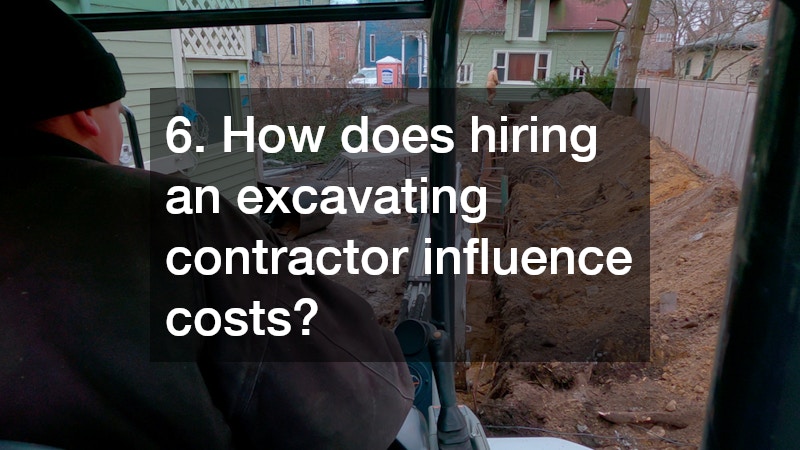
6. How does hiring an excavating contractor influence costs?
A. Estimating Excavation Costs
Estimating excavation costs involves considering factors such as project size, soil conditions, and equipment needed. Understanding these variables can help you forecast the financial outlay accurately and prevent spikes in project costs. Having a detailed cost estimation from your excavation contractor is integral for keeping the budget on track.
B. Understanding Project Scope and Time
The scope and timeline of an excavation project can significantly influence overall costs. Broader scope or extended timeframes naturally increase the budget requirement as more labor, equipment, and materials are demanded. Communicating effectively with your excavation contractor to establish a clear project plan can help keep costs aligned with your financial goals.
C. Importance of Hiring Experienced Contractors
Employing an experienced excavation contractor can yield long-term savings in your budget. Professional contractors can foresee potential issues and implement efficient solutions, reducing time and resources spent. Their expertise assures quality outcomes and helps you avoid unnecessary expenses arising from mistakes.
7. What are the elements of a concrete budget?
A. Types of Concrete Service Available
Concrete services encompass a variety of offerings such as pouring slabs, driveway installation, and decorative concreting. Each type of service will dictate separate budget considerations due to differences in material costs and labor. Understanding the specific needs of your project is vital when allocating budget for concrete services.
B. Budgeting for Quality Materials and Labor
When budgeting for concrete services, it’s essential to allocate funds for high-quality materials and skilled labor. Quality materials and labor ensure durability and reduce future maintenance costs, proving cost-effective in the long term. Engaging a reputable concrete service provider can guide you in making these considerations, leading to a successful project outcome.
C. Comparing Service Providers
Comparing various concrete service providers is an effective strategy to get the best value for your budget. Evaluating quotes, checking references, and assessing previous work can help in choosing the right contractor. Cost-effective yet quality services can usually be identified by thorough comparison shopping.
8. Why consider land area clearing companies before renovation?

A. Cost of Land Clearing Services
Land clearing services can exhibit variable costs depending on the property’s size, the extent of clearing needed, and the types of materials involved. Understanding these cost dynamics is fundamental to including land clearing accurately in your overall budget. Proper planning leads to more efficient renovation by ensuring the necessary groundwork is laid before further construction.
B. Benefits of Professional Land Clearing
Professional land clearing companies offer numerous benefits that can significantly impact your renovation project positively. They use suitable machinery and methodologies that ensure safety and efficiency, thereby safeguarding the budget. Additionally, professional services can prevent potential delays and reworking, which ultimately results in cost savings.
C. Environmental and Safety Considerations
Environmental and safety considerations must be incorporated into land clearing budgets to ensure compliance and avoid fines. Licensed land clearing companies understand these elements and offer eco-friendly solutions that align with legislation. Budgeting for compliant services helps prevent costly legal and environmental repercussions, providing long-term savings.
9. When is a tree removal necessary?
A. Assessing the Need for Tree Removal
Determining when a tree removal service is necessary involves assessing tree health, safety, and property aesthetics. Diseased, dying, or structurally unsound trees pose significant risks and warrant prompt removal for safety. Early assessment helps plan your budget to address tree issues before they become substantial hazards.
B. Costs Associated with Tree Removal
The costs of tree removal services can vary with factors like tree height, thickness, and accessibility. These variables must be evaluated for accurate budgeting, as larger trees may require more labor and equipment. Including tree removal in your renovation budget ensures that unexpected costs do not disrupt financial plans.
C. Risks of DIY vs. Professional Services
Weighing the risks of DIY versus professional tree removal services involves considering safety, expertise, and liability. DIY removal might seem cost-effective initially, but it carries significant safety hazards and potential property damage. Hiring a professional tree removal service mitigates these risks and guarantees a secure and efficient resolution.
10. How to budget for a remodel service?
A. Understanding the Scope of Remodeling
To accurately budget for a remodeling service, it’s essential to clearly understand the project’s scope. Identifying the specific areas to remodel, such as kitchens or bathrooms, helps focus financial resources on priority needs. A clear vision facilitates a realistic budget that addresses all essential aspects without overstretching finances.
B. Prioritizing Upgrades within Budget
Prioritizing upgrades based on necessity and value is crucial when working within budget constraints. Homeowners should list essential improvements, evaluating which renovations provide the most significant return on investment. Allocating funds to high-impact areas ensures a balanced budget and enhances property value effectively.
C. Choosing the Right Contractor
Partnering with the right remodeling service contractor is vital to achieving both aesthetic and financial goals. Researching contractors, gathering estimates, and reviewing past projects helps ensure skilled workmanship and fair pricing. Selecting a reputable contractor fosters project success and enhances budget adherence.
Proper budget planning for home upgrades ensures a smooth renovation process and prevents costly surprises. A well-thought-out budget helps prioritize essential services like roofing, plumbing, and structural maintenance, ensuring your home upgrade is both successful and financially manageable. Understanding and planning for each aspect of a home renovation project upfront safeguards your investment and results in a well-executed transformation.
Beyond the initial planning phase, budgeting also plays a key role in maintaining flexibility throughout a renovation. Unexpected issues such as hidden water damage, outdated wiring, or material availability can influence overall costs. Building room in the budget for adjustments allows homeowners to address these situations withou delaying progress or compromising the quality of the work.
Clear budget planning also supports better communication with contractors and service providers. When financial expectations are outlined early, project timelines and material selections can be aligned more effectively. This transparency helps reduce misunderstandings and keeps renovation goals realistic, allowing each phase of the project to move forward with greater confidence.
In the long term, thoughtful budgeting encourages smarter decision-making for future improvements. Tracking expenses and understanding where funds were allocated provides valuable insight for upcoming projects or maintenance needs. This approach not only supports consistent home care but also helps homeowners plan upgrades that align with their financial goals over time.

