Transforming the exterior of your home is one of the most effective ways to boost curb appeal, increase energy efficiency, and protect your structural investment for years to come. However, when homeowners hear the phrase “whole-home exterior upgrade,” vision boards of sleek new facades are often quickly eclipsed by the fear of overwhelming financial costs. Between replacement materials, specialized labor, permitting, and unexpected structural repairs, exterior renovations can escalate rapidly if they are not managed with a strategic plan.
The secret to executing a successful, budget-friendly exterior makeover lies in sequencing and prioritization. Rather than viewing your home’s exterior as a series of disconnected cosmetic projects, smart renovators treat it as a unified protective shell. By focusing first on critical water shedding and weatherproofing defenses, bundling related trades, and selecting high-performance materials that offer long-term durability, you can maximize every dollar spent.
This guide provides a clear, practical roadmap to help you evaluate your property, navigate contractor relationships, manage your timeline, and complete a high-impact exterior transformation without breaking the bank.
Phase 1: Evaluating Your Home’s Envelope and Fixing Active Issues
Identify Vulnerabilities Before Investing in Cosmetic Upgrades
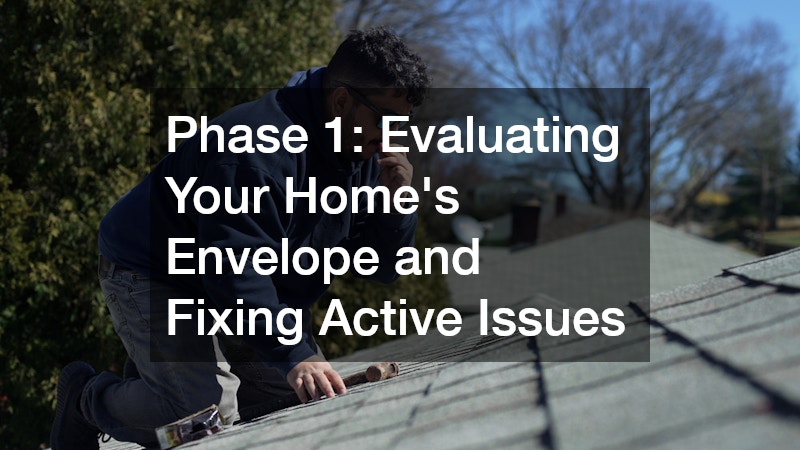
Before you spend money on decorative porch columns, modern exterior paint palettes, or high-end accent lighting, you must ensure that your home’s primary protective envelope is watertight and structurally sound. Investing in cosmetic enhancements over an active leak or rotting substrate is a recipe for expensive double-work down the road.
Begin your exterior assessment with a thorough ground-level and ladder-level inspection of your roofline, wall cladding, and foundation perimeters:
- Roofing Materials: Look for curling edges, missing aggregate granules, cracked flashing around chimneys, or soft spots in the roof deck that indicate moisture penetration.
- Siding and Trim: Check for warped boards, cracked panels, peeling paint, or soft wood near ground level where splashback occurs.
- Drainage Systems: Inspect gutter runs for sagging sections, rusted seams, pulled fascia anchors, or downspouts that discharge too close to the home’s foundation.
- Windows and Doors: Check perimeter caulking for cracking, inspect frames for wood rot, and feel for drafts around casing seals.
If you discover active moisture intrusion overhead, address it immediately. Neglecting minor water penetration allows moisture to migrate into ceiling joists, wall insulation, and electrical runs. Scheduling a timely leaky roof repair halts water damage at the source, preserving the underlying wooden decking and preventing costly structural framing repairs before you begin larger exterior upgrades.
Evaluate the Condition and Lifespan of Existing Materials
Understanding the remaining useful life of your home’s existing materials helps you determine whether a component needs a full tear-off, a targeted repair, or a cost-effective surface refresh. Replacing materials prematurely drains your budget, while waiting until total failure occurs often leads to secondary damage.
When evaluating an overhead cover, age and material type are the primary dictating factors. For instance, a traditional composite shingle roof typically provides reliable protection for fifteen to twenty-five years, depending on ventilation quality and regional weather exposure. If your current covering is under fifteen years old and showing only localized wear, replacing a few damaged sections or re-flashing vulnerable valleys can extend its operational life by several years. This tactical approach defers massive capital expenditure and frees up immediate cash flow for other pressing exterior updates.
Phase 2: Choosing Qualified Trades and Bundling Work

Maximize Your Renovation Dollars With Strategic Contractor Hiring
Hiring the right professionals is just as critical as choosing the right materials. Trade labor accounts for a substantial percentage of any exterior renovation budget, and working with unqualified or uninsured crews can turn a budget-friendly project into an expensive nightmare.
To secure competitive pricing without sacrificing installation quality, follow a disciplined hiring protocol:
- Gather Multiple Detailed Quotes: Request itemized proposals from at least three licensed local contractors, ensuring each quote breaks down material costs, labor hours, disposal fees, and permit expenses separately.
- Verify Credentials: Confirm active state trade licenses, general liability insurance, and workers’ compensation coverage directly with the issuing agencies rather than relying solely on verbal assurances.
- Check Community References: Ask for recent local project addresses so you can view finished work in person and speak directly with past clients about timeline adherence and clean-up standards.
Establishing a solid working relationship with a reputable roofing contractor ensures that your project benefits from experienced trade management. Experienced professionals possess established supply chain relationships that can secure volume discounts on raw materials, savings that are frequently passed along to the homeowner.
Bundle Multiple Exterior Projects to Save on Overhead
One of the most effective strategies for reducing overall renovation costs is bundling related exterior projects into a single, comprehensive phase of work. Contractors incur significant overhead expenses just getting a crew and heavy equipment to your site—costs that are billed directly to you through mobilization and setup fees.
When you coordinate overhead work, wall siding, and perimeter trim upgrades at the same time, you create operational efficiencies that reduce overall labor costs:
- Shared Scaffolding and Staging: Setting up scaffolding once allows workers to access the roofline, gables, and upper-story siding seamlessly.
- Combined Waste Management: Utilizing a single large disposal dumpster for torn-off roofing, old siding, and damaged trim cuts haul-away fees significantly.
- Streamlined Permitting: Submitting a combined exterior renovation permit plan reduces municipal filing fees and speeds up city inspection schedules.
Partnering with an established roofing company that possesses the versatile licensing and crew capacity to handle both upper roof work and peripheral trim installations allows you to negotiate a favorable package rate, stretching your budget further than single-item scheduling would allow.
Phase 3: Securing the Exterior Envelope and Drainage
Protect Your Foundation and Walls with Proper Water Management
A house can feature brand-new siding and a pristine roof, but if its drainage system fails to route rainwater away efficiently, the entire structure remains at risk. Torrential downpours that shed off a roof drop hundreds of gallons of water alongside your home’s foundation within minutes, leading to soil erosion, perimeter foundation cracking, and basement flooding.
Key considerations for designing an effective water-shedding system include:
- Correct Pitching: Gutter channels must slope precisely toward downspouts—typically a quarter-inch drop for every ten feet of run—to prevent standing water and debris collection.
- Seamless Construction: On-site extruded aluminum gutters eliminate mid-run seams, drastically reducing the likelihood of leak points developing over time.
- Strategic Downspout Placement: Downspouts should discharge water at least five to ten feet away from foundation walls using rigid underground piping or surface splash blocks.
- Gutter Guard Integration: Installing micro-mesh leaf guards prevents pine needles and deciduous leaves from clogging channels, protecting fascia boards from wood rot.
Investing in a professionally executed gutter installation safeguards your siding from constant dirty splashback and ensures that heavy rain cascades harmlessly away from your home’s structural footings.
Hire Sub-Specialists for Delicate System Operations
While general handy-workers can handle basic home maintenance tasks, specialized exterior water management systems require accurate hydraulic calculations. Sizing a drainage system depends heavily on your roof’s total square footage, pitch steepness, and regional rainfall intensity metrics.
Entrusting these critical calculations to an experienced gutter contractor guarantees that your gutter troughs and downspouts are sized correctly to handle peak storm volumes. A specialist understands how to anchor hangers securely into rafter tails rather than thin fascia board, ensuring the system supports heavy ice loads or sudden downpours without sagging or tearing away from the roofline.
Phase 4: Upgrading Siding, Walls, and Lower Structures
Transform Exterior Walls With Low-Maintenance Material Options
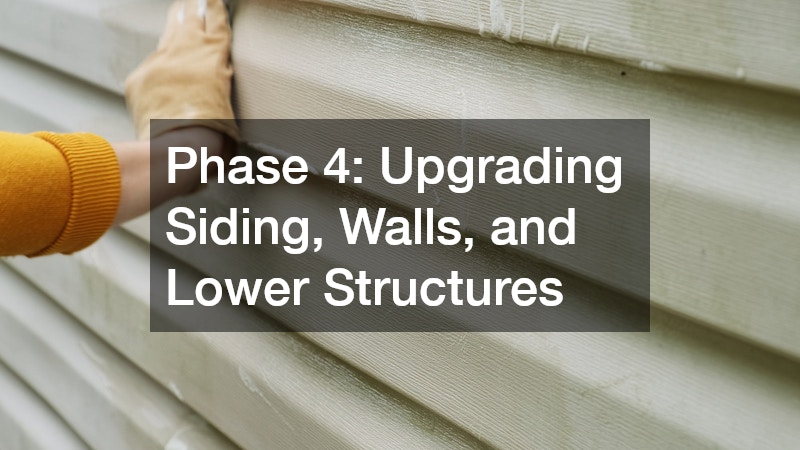
Siding forms the visual baseline of your home’s exterior aesthetic while providing an essential thermal and protective barrier against wind, rain, and temperature fluctuations. Upgrading outdated or deteriorating siding instantly modernizes your home’s appearance while boosting insulation values.
When shopping for budget-friendly wall cladding, evaluate materials based on both initial purchase price and long-term maintenance demands:
- Vinyl Siding: Highly affordable, easy to clean, and resistant to rot and insect damage, though susceptible to cracking under severe hail or impact.
- Fiber Cement Siding: Exceptionally durable, fire-resistant, and capable of mimicking natural wood grain, though requiring higher upfront installation labor.
- Engineered Wood: Combines the visual warmth of real timber with moisture-resistant resins, offering strong impact resistance at a mid-range price point.
- Board and Batten Accents: Using vertical accent panels on gables or entryways adds high-end architectural depth without requiring an expensive full-house install.
Gathering competitive installation quotes from vetted siding replacement companies allows you to compare material lead times and warranty terms, helping you select an option that fits your design vision and financial parameters.
Seal Below-Grade and Ground-Level Masonry Against Water Ingress
The lowest points of your home’s exterior—where the foundation walls meet the surrounding landscape—are constantly exposed to subterranean ground moisture, hydrostatic pressure, and runoff. Failing to seal these lower masonry zones with waterproofing services compromises structural footings and invites mold growth into crawlspaces and basements.
Applying professional waterproofing services to exposed concrete footings, brick ledges, and subterranean foundation walls seals microscopic pores in the masonry. Modern elastomeric coatings, exterior drainage membranes, and silicone-based masonry sealers create a flexible, continuous barrier that prevents moisture from wicking upward into wall framing, protecting your interior living spaces from hidden water intrusion.
Phase 5: Selecting High-ROI Roof Materials and Long-Term Care
Evaluate Metal and Specialty Roofing Options for Long-Term Savings
When it comes time for a complete overhead replacement, homeowners often default to traditional asphalt out of habit. However, analyzing the total cost of ownership rather than the initial purchase price reveals that alternative materials can offer superior long-term financial return.
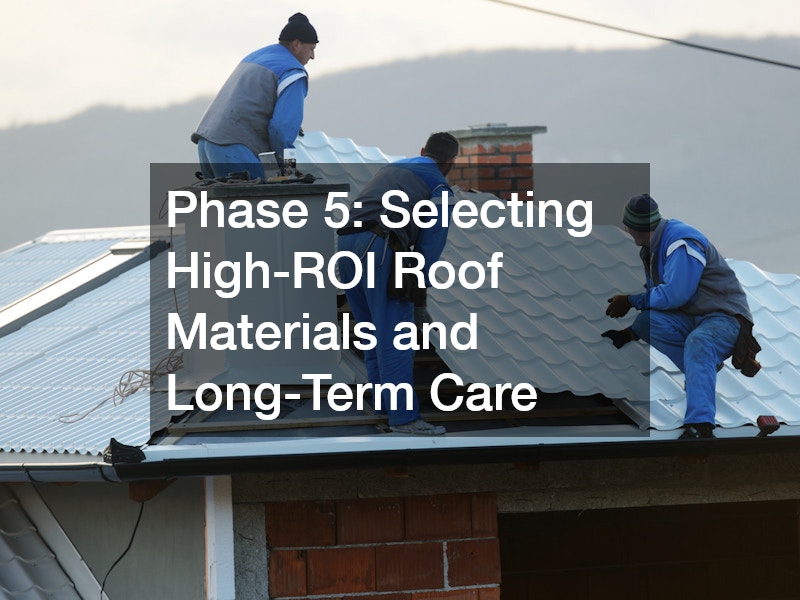
Modern metal roofing systems have evolved into one of the most durable and energy-efficient options available for residential properties:
- Exceptional Longevity: Standing seam and corrugated metal panels regularly last fifty years or longer, outlasting traditional materials two to three times over.
- Severe Weather Resistance: Metal panels offer superior wind uplift resistance, class-four hail protection, and non-combustible fire resistance ratings.
- Energy Savings: Reflective thermal coatings bounce solar heat away from the home, reducing summertime air conditioning costs by up to twenty-five percent.
- Environmental Impact: Metal panels are often manufactured from recycled materials and are 100% recyclable at the end of their service life.
Consulting with a specialized local metal roofer allows you to evaluate whether your home’s existing roof deck framing can support metal panel installation, helping you weigh the higher upfront investment against decades of minimal maintenance and lower energy bills.
Schedule Regular Inspections and Maintenance to Protect Investment
The most cost-effective exterior renovation strategy is protecting the work you have already completed through disciplined, ongoing preventative care. Neglecting simple routine checks leads to premature material degradation, voided manufacturer warranties, and unexpected emergency repair costs.
Establish a seasonal maintenance routine to keep your exterior elements performing at peak efficiency:
- Bi-Annual Cleanings: Clear leaves, silt, and tree debris from gutters and roof valleys every spring and autumn.
- Trim Overhanging Vegetation: Keep tree branches trimmed back at least six feet from the roofline to prevent abrasion damage and animal access.
- Inspect Sealants and Caulking: Check perimeter seals around window frames, door casing, and siding joints annually, re-caulking gaps promptly to block air and water leaks.
- Check Roof Penetrations: Inspect rubber boot flashings around vent pipes, skylights, and chimney bases for sun cracking or degradation.
Establishing a long-term service agreement with a reliable roofing service provides you with scheduled professional inspections after major storm events. Catching minor flashing displacements, loose fasteners, or cracked seals early ensures your whole-home exterior upgrade continues to protect your family and enhance your property value for decades to come.
Conclusion
Upgrading your home’s exterior on a realistic budget is entirely achievable when you approach the project with a structured plan, clear priorities, and qualified trade partners. By systematically addressing structural vulnerabilities first, bundling related installation work, investing in durable drainage and wall cladding systems, and performing regular preventative maintenance, you protect your property from the elements while creating a striking, modern look.
A thoughtful exterior makeover eliminates drafty rooms, lowers monthly energy costs, prevents expensive structural repairs, and delivers lasting pride of ownership every time you pull into your driveway. Take the process step by step, focus on structural protection above all else, and enjoy the transformative journey of building a stronger, more beautiful home.